Why Seam Placement Matters More Than Fabric in Plus-Size Activewear
Quick Answer: Seams placed directly along high-friction zones — inner thighs, underarms, waistband edges — cause chafing and rolling regardless of how good the fabric is, so checking seam location during a squat or arm-raise test matters more than the fabric spec sheet.
You’ve bought the ‘best fabric’ leggings twice now, and they still roll and chafe in the same spot. The fabric was never the problem — the seam running straight through your inner thigh was.
Why does seam placement matter more than most people realize?
Because seams are structurally rigid compared to the surrounding stretch fabric — even a soft, high-quality fabric loses its give exactly where a seam interrupts it. On a body with more soft tissue movement between the thighs or under the arms, a seam sitting directly in a friction zone will rub with every step, regardless of the fabric’s actual quality.
Where do seams most commonly cause problems, and why?
1. Inner thigh seams placed too far inward rub with every stride — a flatlock seam angled slightly outward, away from direct thigh-to-thigh contact, avoids this.
2. Waistband seams that sit exactly at a natural fold line can dig or roll — waistbands cut to sit either fully above or fully below the fold (not across it) perform better.
3. Underarm and side-seam placement on tops — seams positioned directly under the arm rub during any overhead or swinging motion; a seam shifted slightly toward the back avoids the highest-friction zone.
Myth vs Fact: Seam Placement
Myth: Higher-priced activewear automatically has better seam placement. Fact: Price correlates with fabric quality far more than construction design — some budget brands specifically engineer seam placement for larger size ranges, while some premium brands simply scale the same pattern up without adjusting seams.
Myth: Flatlock seams never cause chafing. Fact: Flatlock construction reduces bulk and irritation compared to standard seams, but placement still matters — a flatlock seam directly in a friction zone still rubs, just less harshly than a raised seam would.
Myth: Seamless is always the better choice. Fact: Seamless garments solve the friction problem but often fit less precisely across a wider size range — some traditional-seam garments with size-specific pattern engineering fit better than generic seamless ones.
How do you actually test seam placement before committing to a brand?
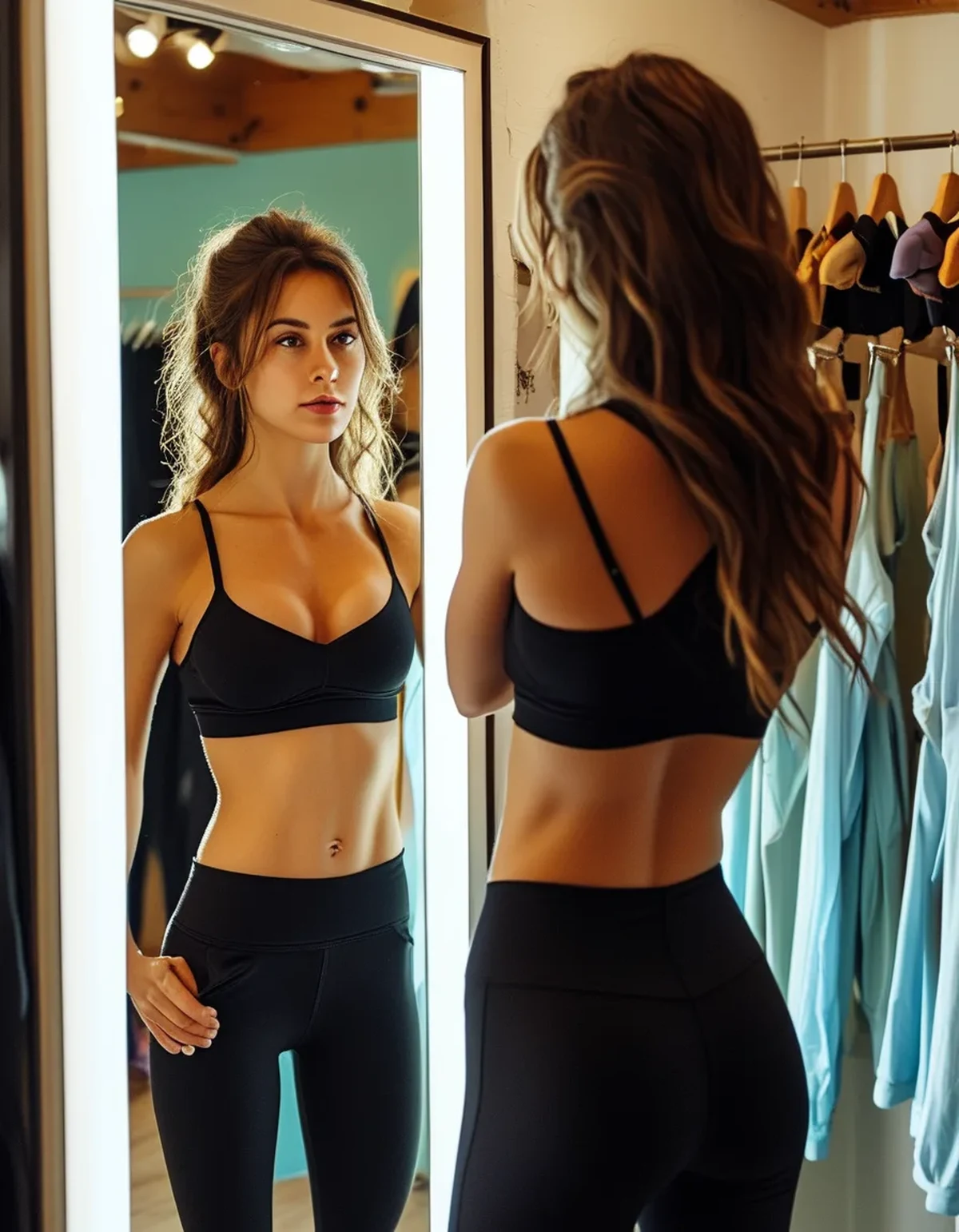
Try the item on and do the motions you’ll actually do in it — a full squat, a big stride, raising your arms overhead — rather than just checking how it looks standing still. Seam problems that are invisible standing up often become obvious the moment you move through a real range of motion.
FAQ: Seam Placement Questions, Answered
Do extended size lines usually have different seam patterns than standard sizes?
The better ones do — brands that specifically design (not just scale up) for plus sizes often move seams to account for different body proportions and movement patterns.
What’s the fastest way to check seam placement while shopping online?
Look for detailed seam-location photos or a fit video showing someone moving in the garment, not just a static product photo.
Can seam chafing be fixed after the fact?
An anti-chafe balm or stick at the seam contact point offers temporary relief, but persistent chafing usually means the garment’s construction, not your skin, is the actual problem.
TL;DR:
- Seams are rigid compared to stretch fabric — friction happens where a seam meets high-movement, high-contact zones
- Check inner thigh, waistband, and underarm seam placement specifically
- Price doesn’t guarantee better seam engineering — some budget brands do it better than premium ones
- Test with real movement (squat, stride, overhead reach), not just standing still
The next pair you try on, move in it before you decide — the seams will tell you more than the fabric tag ever will.
See It in Motion
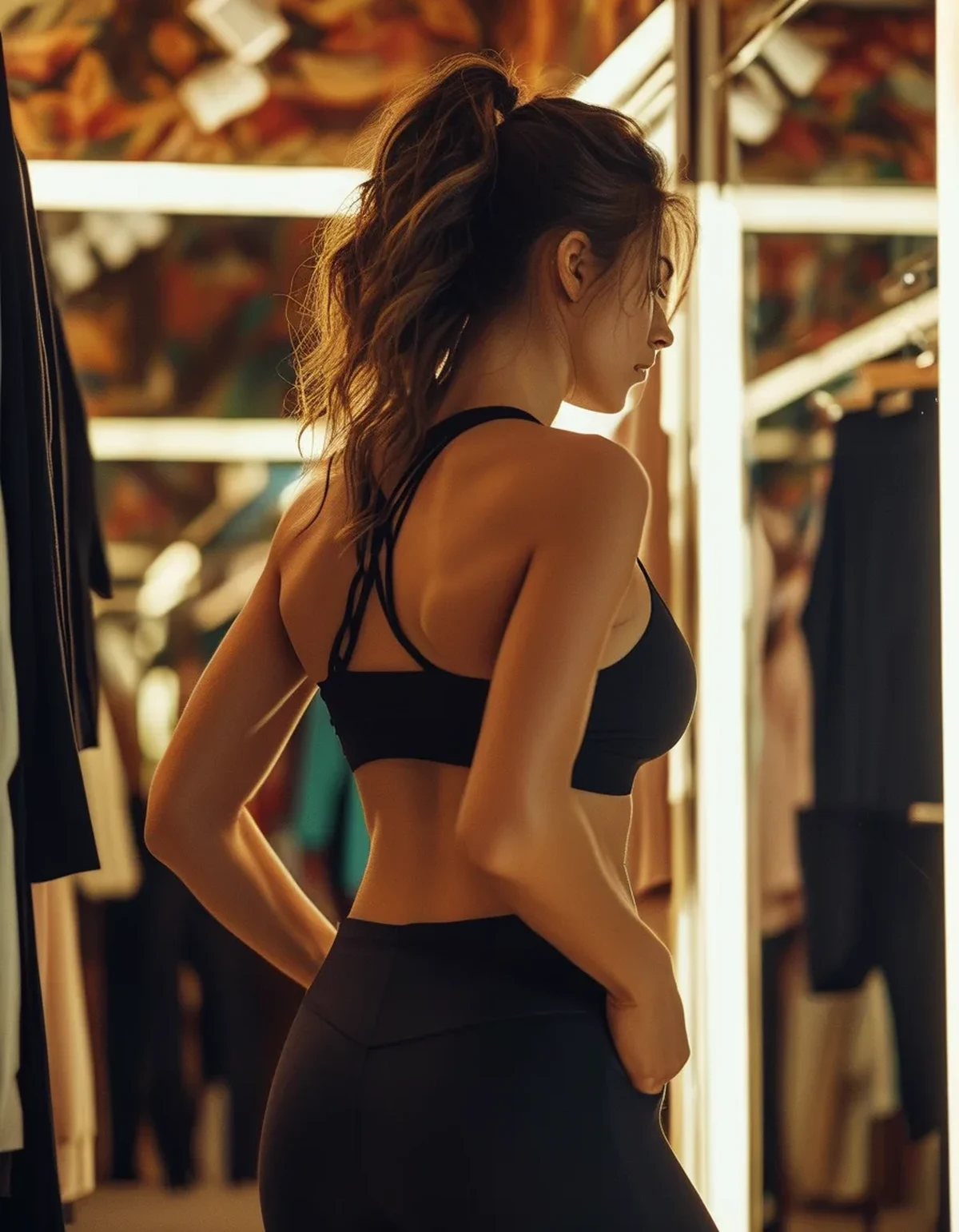
Seen here: Super High Waist Embossed Yoga Leggings with Inner Pocket — shop it on bubblelime.com
Keep Reading
This article is for general informational and styling purposes only. Fit, sizing, and product availability may vary.