Why Plus-Size Leggings Roll Down at the Waist (and the Actual Fix)
Quick Answer: Waistbands roll down when the band’s compression is uniform across a body that isn’t — it needs more hold right at the point where the waist curves in fastest. The fix is a waistband built with graduated compression or a wider band, not just “high-waisted” in name.
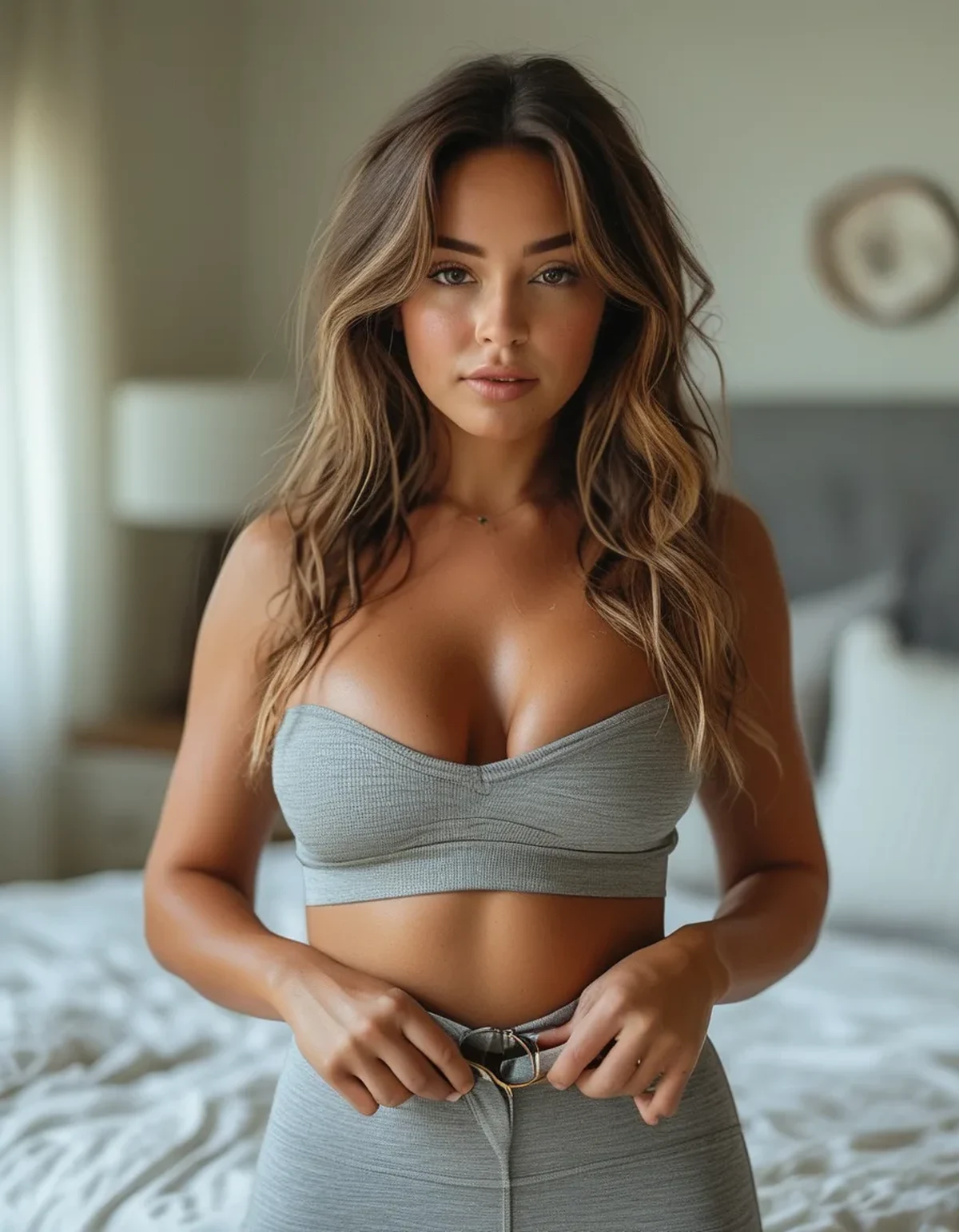
You size up, you size down, you buy the expensive pair everyone recommends — and by hour two, the waistband has folded itself into a thick roll sitting right at your belly button. That’s not a fluke of your body. It’s a design problem most leggings never solve.
Why does a uniform waistband roll down on a curvy waist specifically?
A straight tube of fabric with even compression applies the same pull all the way around, but a waist that curves in sharply needs more grip exactly where the curve is steepest — usually the front and sides. Without that extra hold, the band’s weakest point (often the back, where there’s more room) becomes the pivot point, and the whole band rotates and folds forward.
Does a wider waistband actually solve this, or is that just marketing?
A wider band (4+ inches) genuinely helps because it distributes pressure over more surface area, reducing the digging-in sensation that makes people size up in the first place — sizing up is often what causes the roll, since the loose fabric has nothing to grip. Width alone without graduated compression still rolls on some bodies, so it’s a partial fix, not a complete one.
What is graduated compression and how do you tell if a pair has it?
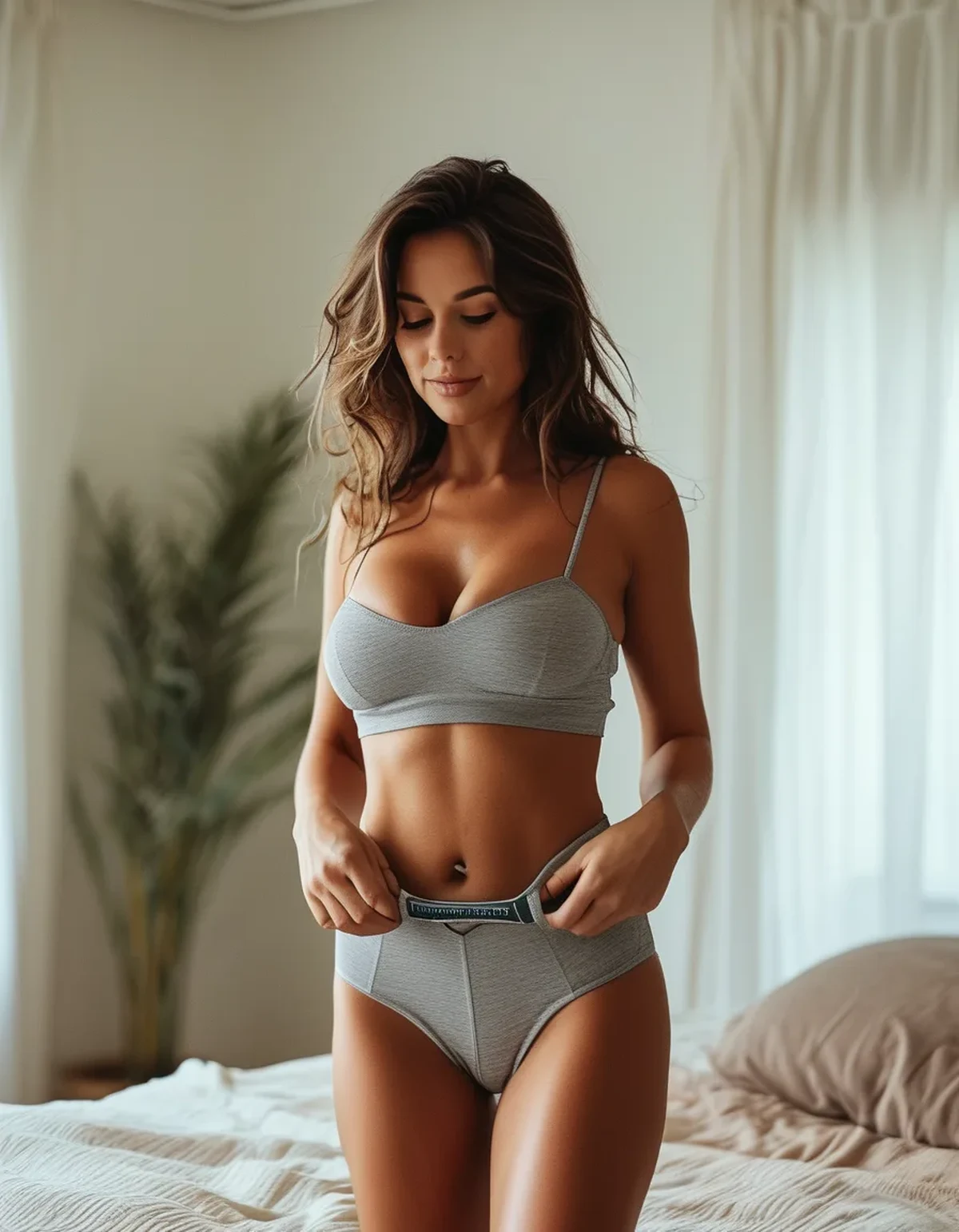
Graduated compression means the waistband is knit or sewn with more tension at the curve-in point and less at the hip, so it hugs rather than squeezes evenly. You usually can’t tell from a product photo — check reviews specifically mentioning “stays up” or “doesn’t roll” from reviewers with a similar waist-to-hip ratio to yours, since that’s the detail generic five-star reviews skip.
Does fabric weight matter as much as the waistband design?
Yes — a lightweight, silky-feel fabric slides against skin more than a heavier, higher-compression blend, so even a well-designed waistband on thin fabric can migrate over a long day. Heavier fabric (usually 250+ GSM) paired with a good waistband is the combination that actually holds, not either one alone.
FAQ: Plus-Size Legging Waistband Questions, Answered
Does sizing up one size fix the rolling problem?
Usually it makes it worse, not better — extra fabric with no compression against the skin has nothing to grip, so it folds and rolls faster than a properly fitted pair.
Are fold-over waistbands better or worse for rolling?
Fold-over bands (meant to be worn folded down) actually roll less for many curvy body types, because the doubled fabric adds the width and structure a single-layer band lacks.
Is there a quick fix for leggings I already own that roll down?
A thin, transparent waistband grip tape (used for strapless bras) applied to the inside of the band can add friction against the skin without needing new leggings — not permanent, but works for a single wear.
TL;DR:
- Waistbands roll because compression is even but your waist’s curve isn’t
- Width helps distribute pressure but doesn’t fix rolling alone
- Graduated compression (more grip at the curve-in point) is the real fix
- Heavier fabric plus a good waistband holds better than either alone
If a pair keeps rolling, the problem is almost never your body — it’s a waistband built for a straight tube, not a curve.
See It in Motion
Seen here: High Waist Yoga Leggings with Inner Pocket — shop it on bubblelime.com
Keep Reading
This article is for general informational and styling purposes only. Fit, sizing, and product availability may vary.