Plus-Size Swimwear for Actual Workouts: What Holds Up Past Lap Three
Quick Answer: Real workout swimwear needs chlorine-resistant fabric, a racerback or cross-back design that won’t slip off the shoulders during strokes, and full bust support built into the suit itself — regular fashion swimwear tends to fail on all three within a few real workout sessions.
A cute swimsuit built for lounging by the pool and a suit built for actually swimming laps are solving completely different problems, and the difference shows up fast once you’re moving through real workout sets rather than posing for one photo at the pool edge.
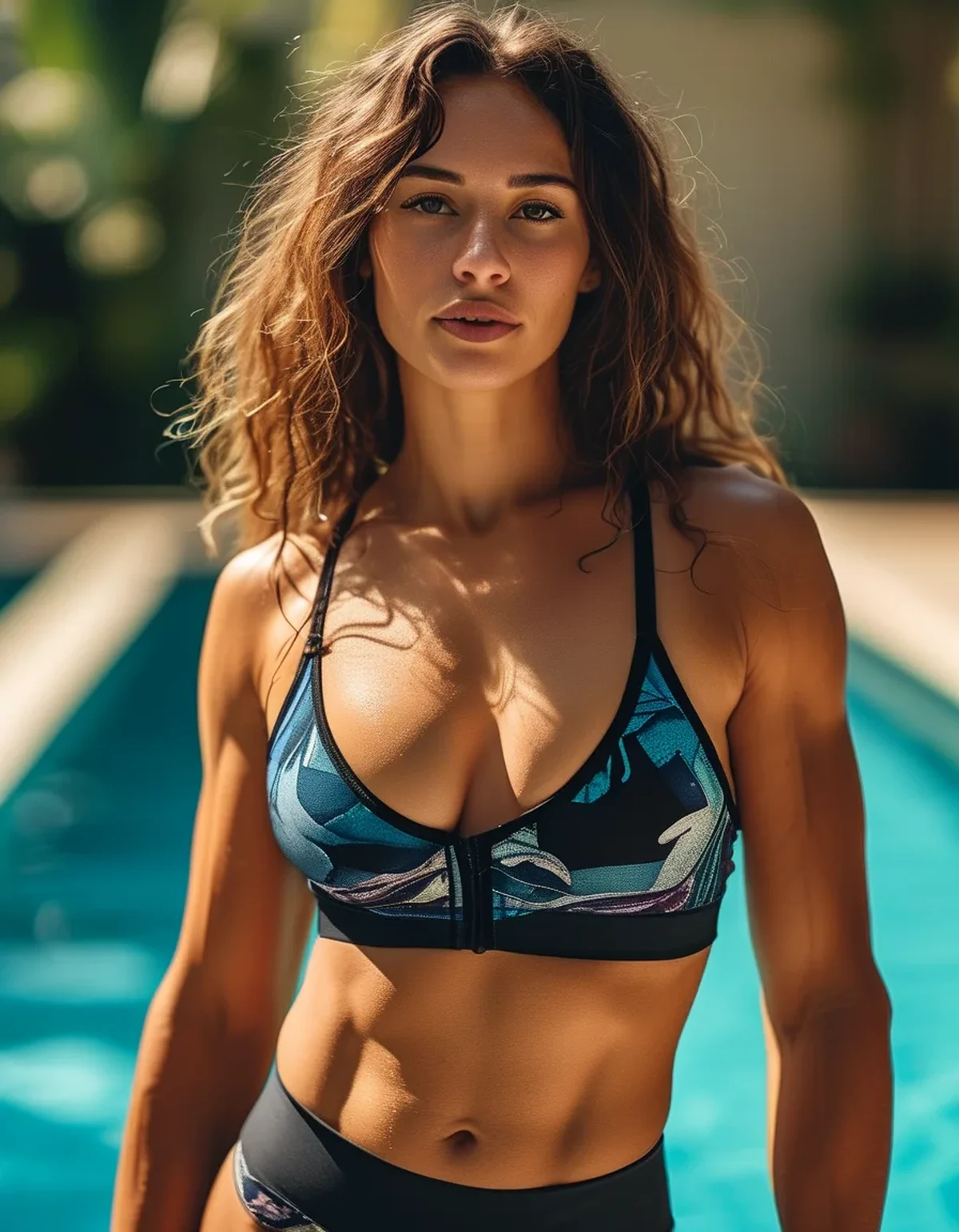
Why Regular Swimwear Fabric Fails Fast for Workouts
Most fashion swimwear uses a nylon-spandex blend that isn’t specifically chlorine-resistant, which means repeated pool workouts break down the fabric’s elasticity within weeks, leading to stretched-out, saggy fit that no longer holds shape the way it did new. True workout swimwear uses chlorine-resistant fabrics like polyester-based blends (often marketed as PBT or similar branded names) specifically engineered to hold shape and color through frequent, repeated chlorine exposure over months rather than weeks.
Straps and Back Design Matter More Than People Expect
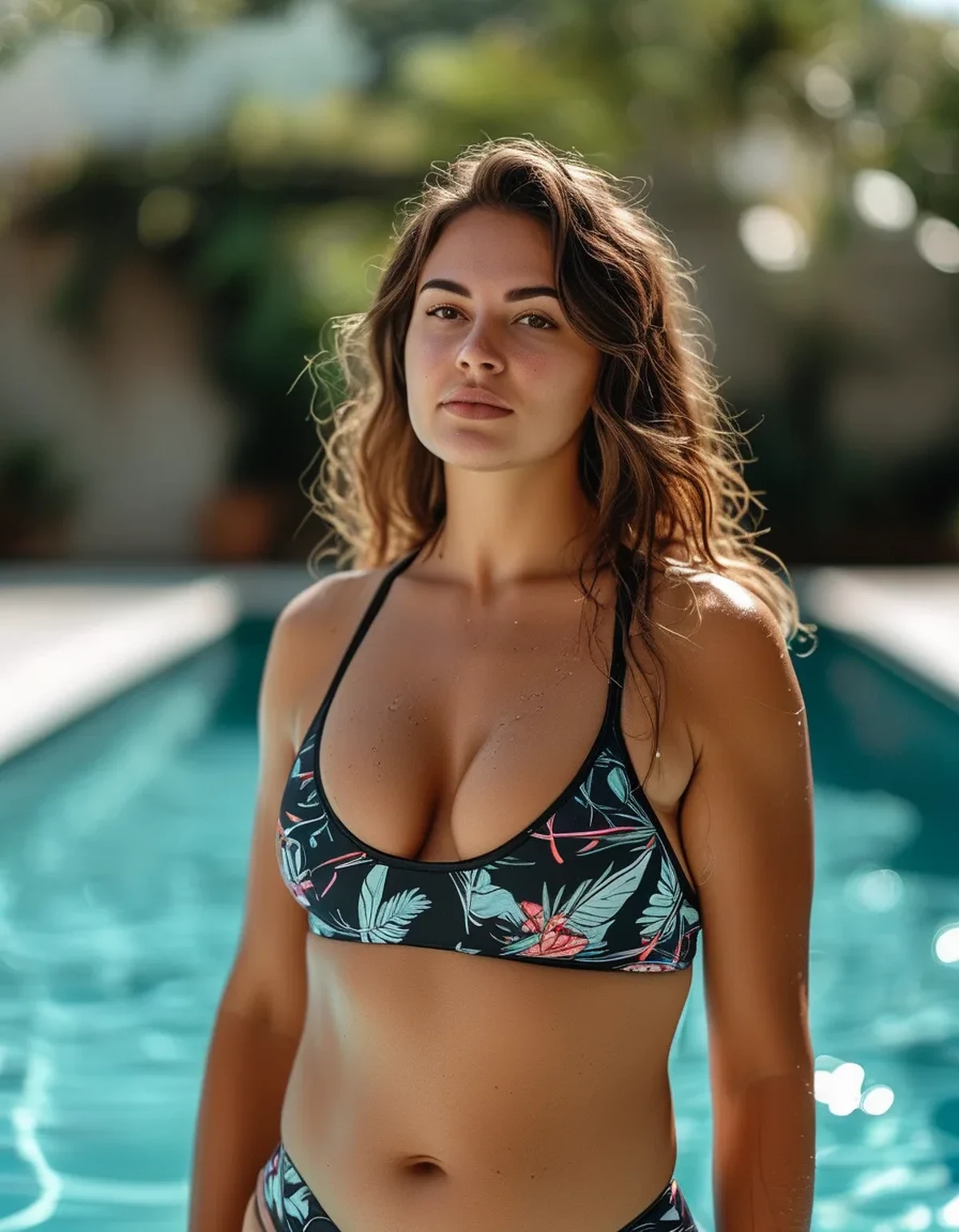
A standard swimsuit strap or halter design that looks fine standing still often slips or digs in painfully during an actual freestyle or backstroke arm motion, since the repetitive overhead reach puts a completely different kind of stress on the strap than standing or floating does. Racerback or cross-back designs distribute the strap load across the back more evenly and stay put through a full range of arm movement, which is why they’re standard on true athletic suits regardless of size, and why a fashion-cut halter or standard tie-strap suit tends to need constant readjustment mid-lap.
Bust Support Built Into the Suit, Not Added After
Fashion swimwear often relies on a separate bra or minimal internal structure, which isn’t built for the up-and-down movement of active swimming and tends to shift or lose support quickly, especially during strokes involving significant torso rotation. Athletic swimwear for fuller busts typically has built-in molded cups, wider underbust bands, and adjustable straps specifically engineered for repeated dynamic movement, not just static support while standing at the pool edge.
What About Water Aerobics Specifically, Versus Lap Swimming?
Do I need a specific cut for water aerobics versus lap swimming?
Water aerobics puts less continuous strain on shoulder straps than lap swimming’s repetitive arm strokes, so a wider range of cuts works fine, though chlorine-resistant fabric still matters for either activity given the repeated pool exposure over a typical workout schedule.
Does a higher-cut leg or a more conservative cut change how well a suit holds up?
Leg cut is mostly a personal coverage preference rather than a performance factor, but a wider leg opening with a secure elastic edge tends to stay in place better during kicking-heavy sets than a narrow, less structured leg opening that can ride up during vigorous movement.
Myth vs Fact: Plus-Size Workout Swimwear
Myth: any one-piece with ‘sporty’ styling counts as real workout swimwear. Fact: styling alone (like a racerback cut on regular fashion fabric) doesn’t deliver chlorine resistance or genuine support — check the fabric composition specifically, not just the visual style, since a sporty-looking cut in the wrong fabric will still stretch out within weeks of real pool use.
Myth: plus-size athletic swimwear options are limited compared to smaller sizes. Fact: several dedicated athletic swimwear brands now offer full plus-size ranges with the same chlorine-resistant fabric and support features as their smaller sizes — it takes more specific searching than a general swimwear retailer, but genuine options exist with the same quality construction across the full size range.
FAQ: Plus-Size Workout Swimwear, Answered
How do I tell if a suit’s fabric is actually chlorine-resistant from the product listing?
Look for specific fabric names like PBT, Xtra Life Lycra, or similar branded chlorine-resistant blends in the material description — a generic ‘nylon-spandex’ listing without those terms is more likely standard fashion fabric that won’t hold up to regular pool use.
How long should real workout swimwear actually last with regular use?
With proper chlorine-resistant fabric and a quick rinse after each session, a good athletic suit used several times a week can reasonably last 6-12 months before noticeable stretching — regular fashion swimwear used at that frequency often degrades within just a few weeks, which makes the higher upfront cost of true athletic swimwear worth it fairly quickly for anyone swimming regularly.
Does rinsing the suit after every swim actually make a meaningful difference?
Yes — chlorine and salt residue left in fabric continues degrading elastic fibers even after you’ve left the pool, so a quick cool-water rinse immediately after swimming meaningfully extends the life of even a good chlorine-resistant suit compared to letting it air dry with residue still in the fabric.
TL;DR:
- Look for chlorine-resistant fabric (PBT, Xtra Life Lycra, or similar) specifically, not just a ‘sporty’ look
- Racerback or cross-back straps stay in place through real arm movement; standard straps often don’t
- Built-in molded support handles active movement better than a suit relying on an add-on bra
- Dedicated athletic swimwear brands do offer full plus-size ranges — it just takes more targeted searching
- Rinsing the suit after every swim meaningfully extends its lifespan regardless of fabric quality
The suit that photographs well standing at the pool edge isn’t always the one that survives twenty minutes of actual laps — checking fabric and strap design specifically saves both money and mid-workout frustration.
See It in Motion
Seen here: Crewneck Short Sleeve Workout T-Shirt — shop it on bubblelime.com
Keep Reading
This article is for general informational and styling purposes only. Fit, sizing, and product availability may vary.